For millions of women around the world, menstruation doesn’t just mean discomfort — it can mean missing work. In many communities, access to reliable menstrual hygiene products is limited or inconsistent. Without them, managing a full workday becomes stressful and sometimes impossible. Women working long shifts in factories, farms, or service jobs often have little privacy or flexibility, which makes managing a period without proper products extremely difficult.
As a result, many women miss days of work each month. Even a few missed shifts can significantly impact income, especially for those paid hourly or supporting their families. What should be a normal biological process quietly becomes an economic barrier.
The Cost of Limited Access
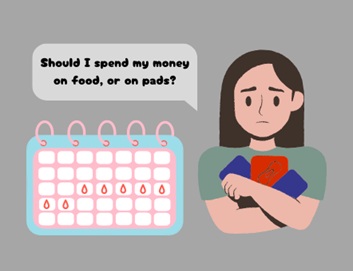
Disposable menstrual products also create a recurring financial burden. Pads and tampons must be purchased every month, and in many places they remain expensive or difficult to find. For families already managing tight budgets, these products can feel like another unavoidable expense.
Period poverty is often framed as a hygiene issue, but its effects extend much further. It affects women’s ability to work consistently, earn income, and participate fully in daily life.
How AmeyaCare Responds
AmeyaCare was created with this challenge in mind. Our reusable menstrual underwear provides a long-lasting alternative to disposable products, allowing women to rely on something that doesn’t need to be replaced every month.
Through our buy-two, donate-one model, every two packs purchased help provide menstrual underwear to women in shelters and underserved communities. This approach expands access while also supporting a more sustainable way of managing menstrual care.
Access to menstrual products may seem like a small issue, but its impact on women’s daily lives and economic opportunities is significant. Improving access means fewer missed workdays, greater stability, and one less barrier standing between women and the opportunities they deserve.
By: Valentina Bramati